
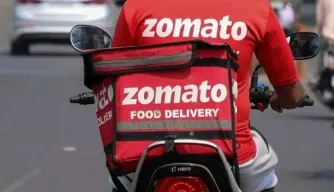
Zomato Faces ₹803 Crore GST Demand: A Major Challenge for the Food Delivery Giant

GST Demand Breakdown: What Led to ₹803 Crore? On December 12, 2024, Zomato revealed that it received a GST demand of ₹803 crore, covering the period from October 29, 2019, to March 31, 2022. This stag

Zomato’s Reaction: Confidence in Legal Strength

Despite the massive demand, Zomato is firm in its stance. The company plans to challenge the decision and believes in the merit of its case, backed by expert legal and tax advisors. In its regulatory filing, Zomato emphasized:

“We believe that we have a strong case on merits… We will be filing an appeal against this order before the appropriate authority.”

The appeal process could provide Zomato the opportunity to dispute the classification of delivery charges and demonstrate compliance.

Investor Concerns: A Dip in Market Sentiment

The GST demand has had an immediate impact on Zomato’s market performance. On the Bombay Stock Exchange (BSE), the company’s shares fell by 2.36%, closing at ₹284.90. This drop reflects investor concerns over the financial implications and the potential fallout from the case.

Should Zomato’s appeal fail, the company may face liquidity challenges and reputational risks. A successful outcome, however, could restore investor confidence and set a benchmark for the industry.

Industry Implications: A Wake-Up Call for Food Delivery Platforms

Zomato’s case extends beyond its own operations—it could impact the entire food delivery industry. Delivery charges are a standard feature of aggregator platforms like Swiggy, and this case may establish a precedent for their taxation under GST.

Key points of debate include:

  1. Service Classification: Are delivery charges part of food supply or separate services?

  2. Applicable GST Rates: What rate applies to such services?

  3. Place of Supply Rules: How does the place of delivery affect taxability?

The outcome of Zomato’s appeal will likely shape compliance norms and risk assessments across the industry.

What’s Next for Zomato?

As Zomato prepares to file its appeal, the company will need to balance ongoing operations with navigating the legal process. Steps Zomato might take include:
  • Strengthening internal compliance frameworks.

  • Conducting audits and seeking expert reviews to prevent future disputes.

  • Advocating for clearer GST guidelines through industry forums.

Conclusion: A Test of Resilience

Zomato’s ₹803 crore GST demand is a formidable hurdle, but the company’s proactive stance demonstrates resilience. The resolution of this case will not only define Zomato’s path forward but could also serve as a crucial reference for tax compliance in the fast-evolving gig economy.

PS: A Broader Lesson in Compliance

This situation highlights the importance of robust compliance systems for businesses navigating complex tax laws. Staying updated with regulatory changes and fostering proactive dialogue with authorities can save companies from costly disputes.

Signing Off

As Zomato fights this legal battle, its approach and eventual outcome will serve as a litmus test for businesses across sectors. Stay tuned for more updates as the case unfolds, shaping the future of tax compliance in India.